
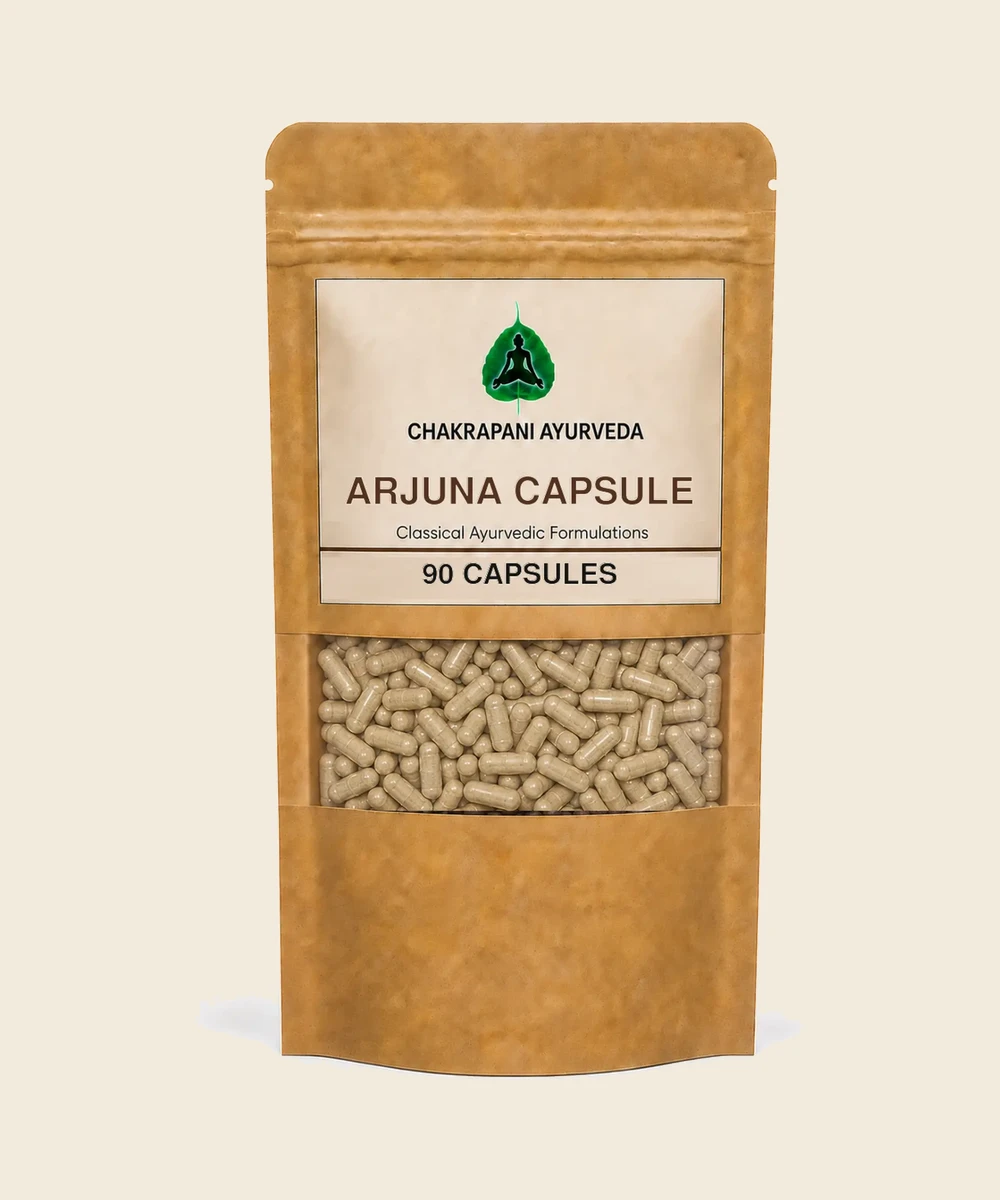
90 Capsules
Arjuna Capsule
Standardised Arjuna bark in an easy daily capsule — a convenient way to support heart health.
Terminalia arjuna · Combretaceae
A unique herb that helps in the maintenance of a healthy heart and the reduction of nervousness, stress and anxiety — revered as a cardiac tonic by Ayurvedic physicians and modern practitioners alike.
The Herb
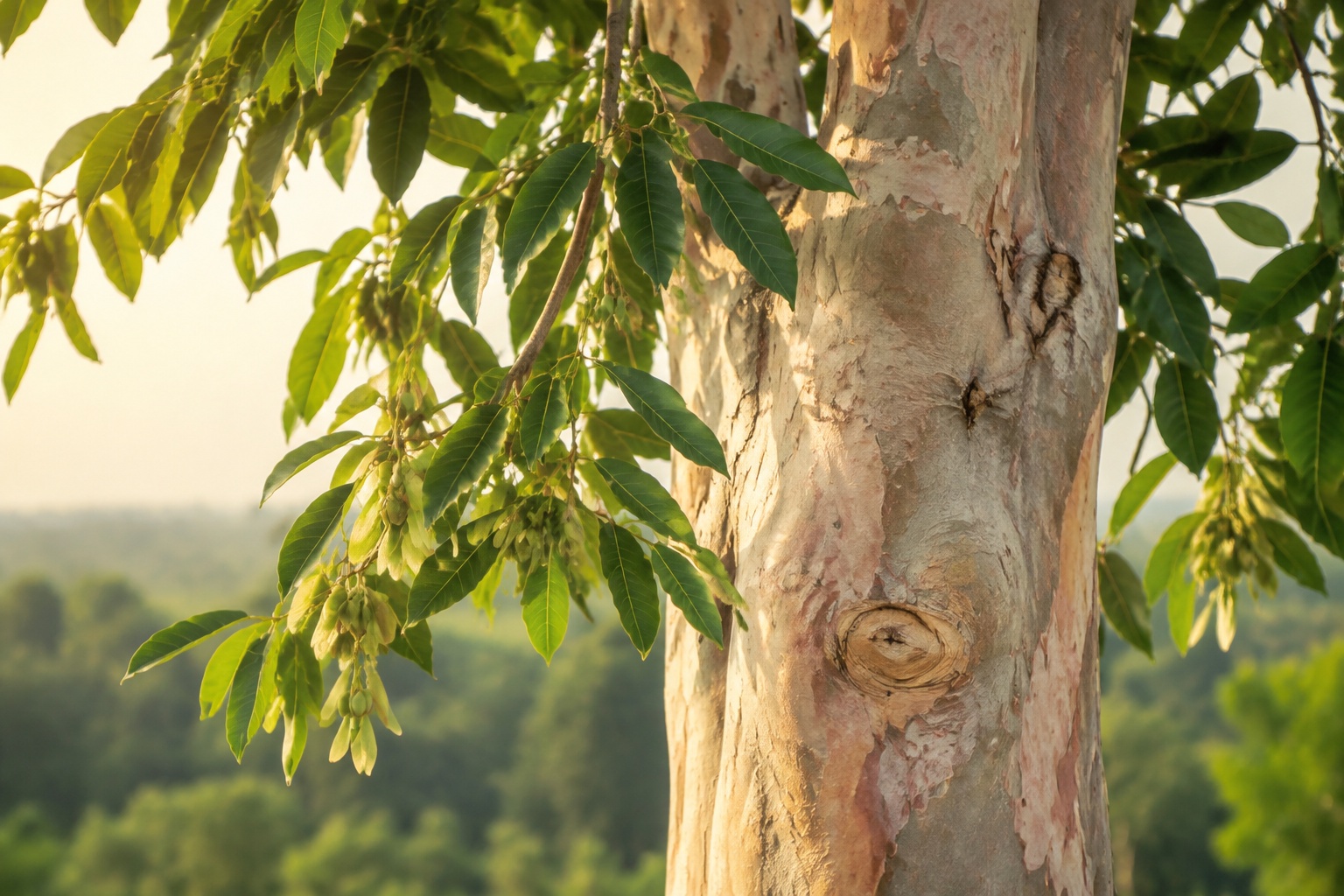
Arjuna is a large deciduous tree reaching up to 60–85 feet, with yellow flowers, conical leaves and a smooth grey bark. It has a buttressed trunk and a vast spreading crown from which the branches drop downwards.
Its leaves are dull green above and pale brown beneath, oblong or elliptic-oblong, with two glands at the base of the lamina. The flowers are green with star-like spikes and smooth calyces. Fruits, 2.5–3.5 cm long, are fibrous, woody and glabrous with five hard wings, striated with numerous curved veins.
Flowers
Fruits
Benefits
Reduces LDL-cholesterol levels and helps in recovering HDL components in hyperlipidemia.
Due to its diuretic and hypolipidemic activity, it helps in reducing hypertension.
Astringent and cooling, it is used as a tonic for the heart.
Has prostaglandin-enhancing and coronary-risk-modulating properties.
Has a salutary effect in cases of liver cirrhosis.
Also has aphrodisiac properties.
Products
Classical Ayurvedic formulations by Chakrapani Ayurveda.
90 Capsules
Standardised Arjuna bark in an easy daily capsule — a convenient way to support heart health.
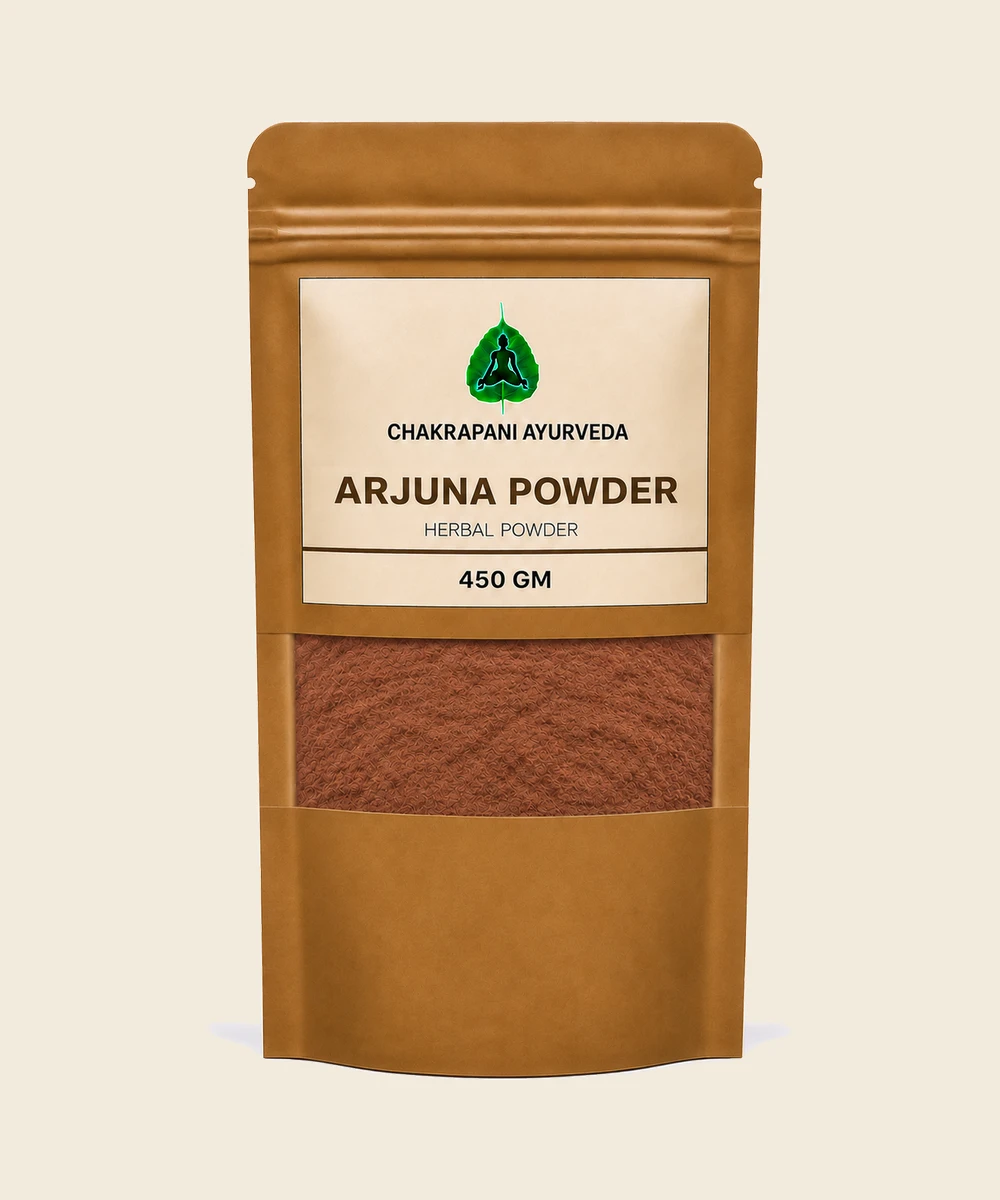
Herbal Powder · 450 gm
Pure Arjuna stem-bark churna, traditionally taken with water or prepared as Ksheerpaka with milk.
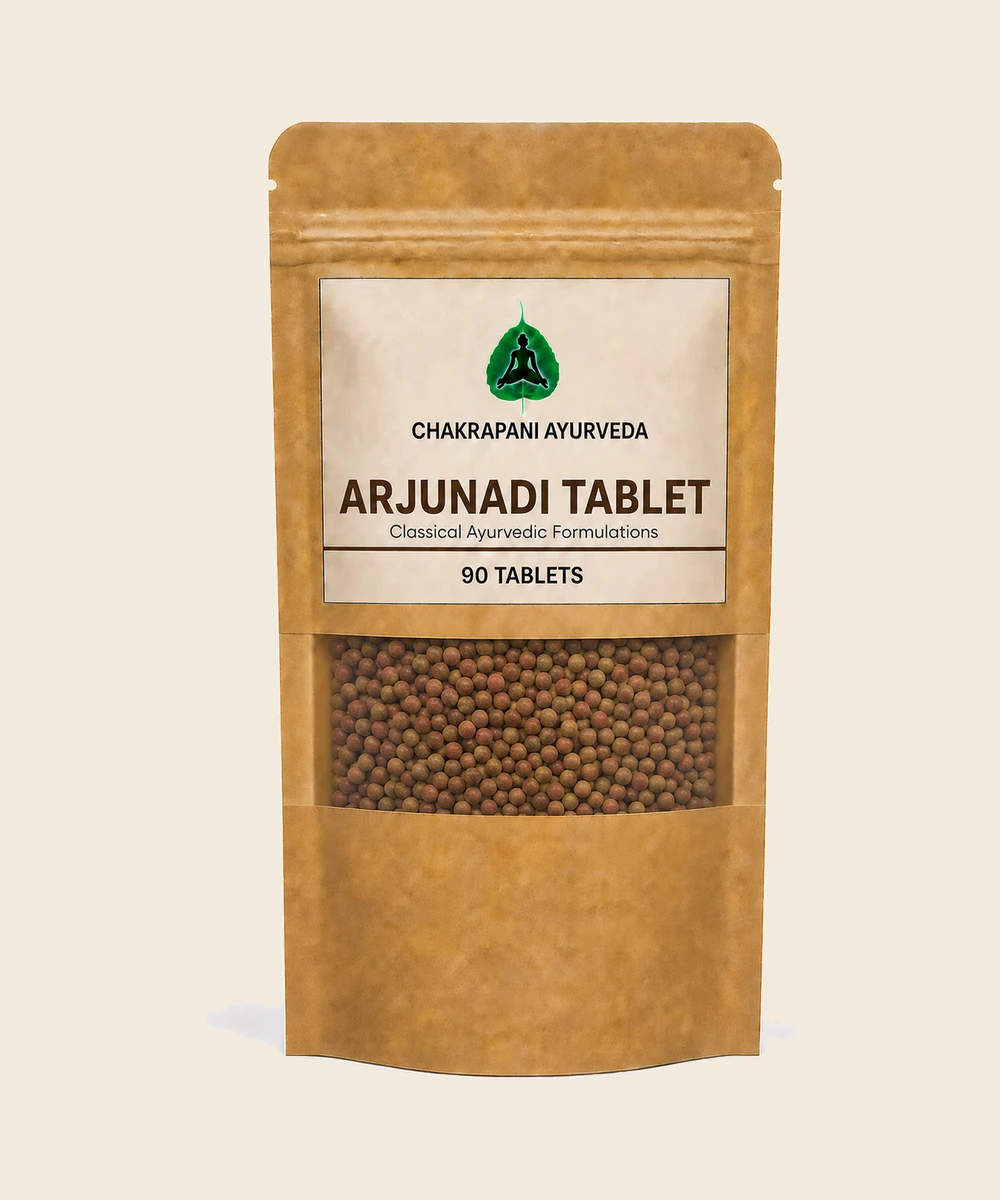
90 Tablets
A classical Ayurvedic formulation built around Arjuna for everyday cardiac wellness.
Dose & Care
Dose
Ideally as advised by your Vaidya.
Home remedies
Internal use of stem-bark powder provides cardioprotective effects. Its Ksheerpaka is highly effective in normalising high blood pressure. In fractures and bone ulcers, a bandage with its paste is applied in rural areas.
Precaution
Arjuna supplements should not be consumed by obese people, as it may add fat content to the body and make a cardiovascular condition more severe. Consult a practitioner before use.
Explore Chakrapani
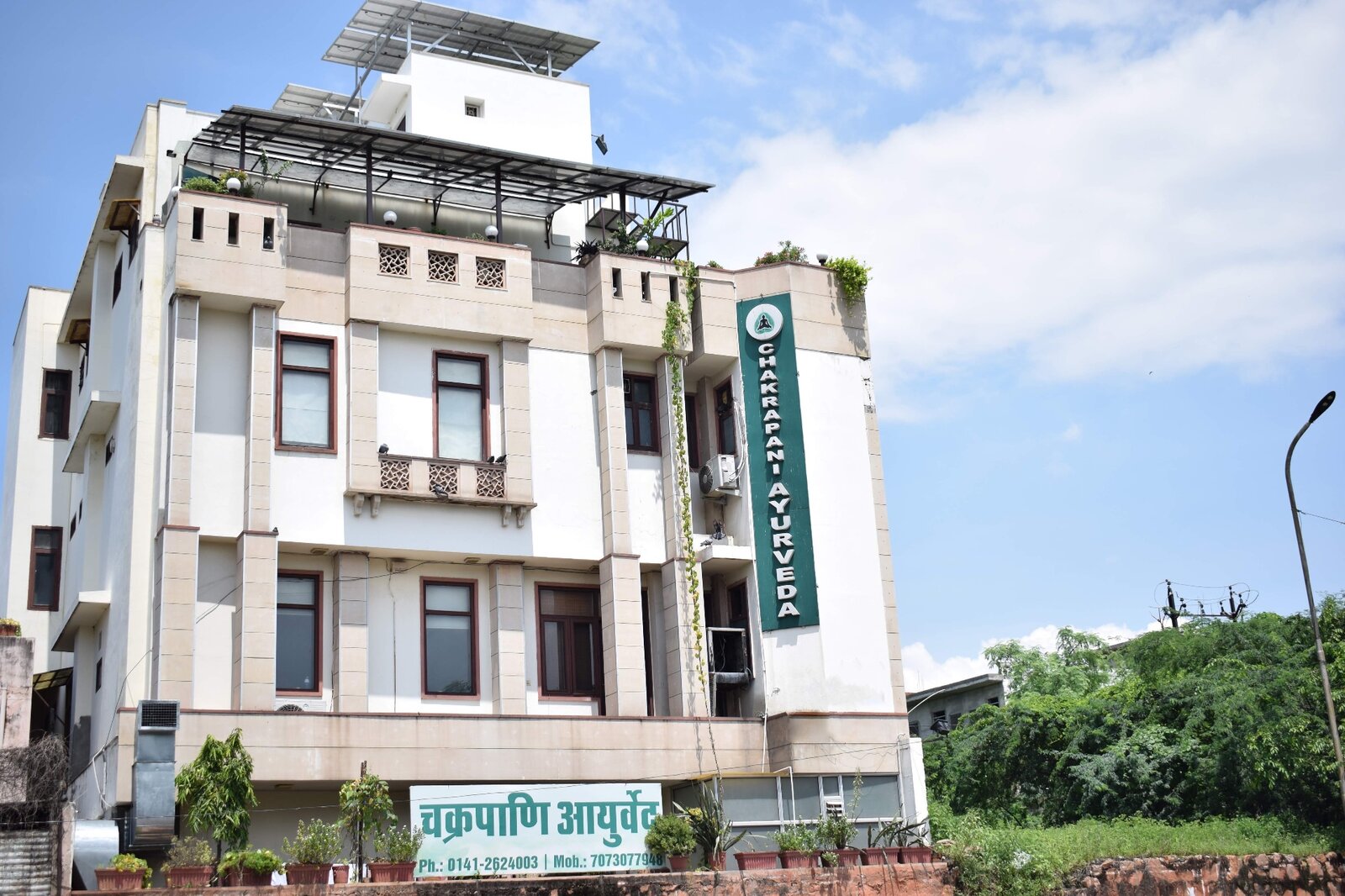
Chakrapani Ayurveda Clinic & Research Center, Jaipur — practising classical Ayurveda since 1995.
Traditionally prepared products manufactured under Chakrapani Ayurveda's quality systems.
Explore Products →Consult with Chakrapani Ayurveda physicians for individual assessment and guidance.
Book a Consultation →Explore physician-guided Panchakarma programmes at Chakrapani Ayurveda Clinic in Jaipur.
Explore Panchakarma →Discover courses and training for Ayurveda enthusiasts and professionals.
Explore Training →